Music 101:
What is an orchestra?
An orchestra is a group of musicians playing their instruments together. Orchestras often play classical music and can be identified by a mix of sounds from the four main instrument families, and are different from bands as they feature strings. Orchestras can range from just a few to several hundred musicians, and play together to create a large, rich sound.
What is a conductor? And a music director?
The music director is in charge of all musical aspects of the orchestra. They select the music, hire the musicians, and shape the artistic vision of an orchestra. A conductor is the leader of the orchestra, the person you see waving their arms in front of the musicians. Conductors use their bodies to guide the musicians on details within the music, like the speed (tempo) and loudness/softness (dynamics). The conductor also leads rehearsals.
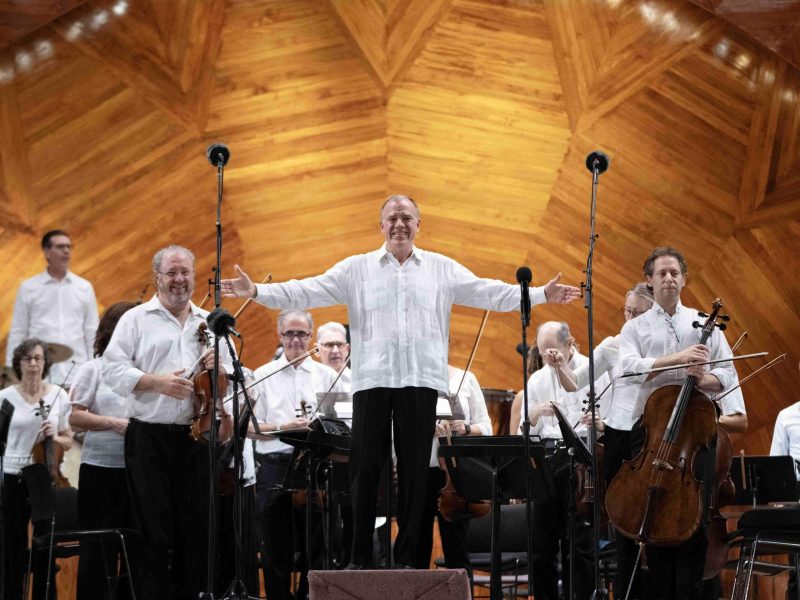
Christopher Wilkins, Music Director of the Boston Landmarks Orchestra and Conductor of this season’s concerts
What are the sections of an orchestra?
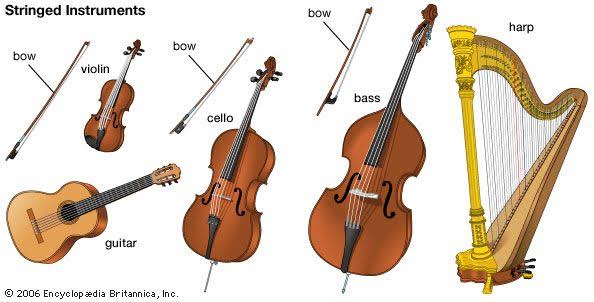
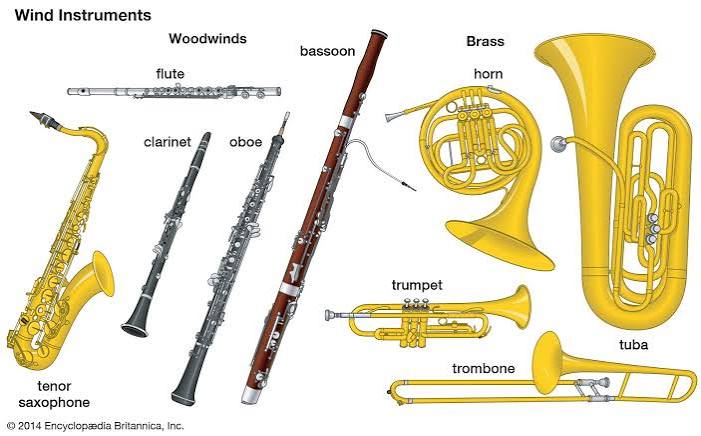
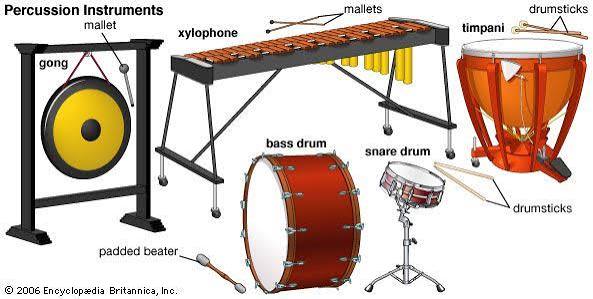
An orchestra typically is separated into four sections: Strings, Woodwinds, Brass, and Percussion.
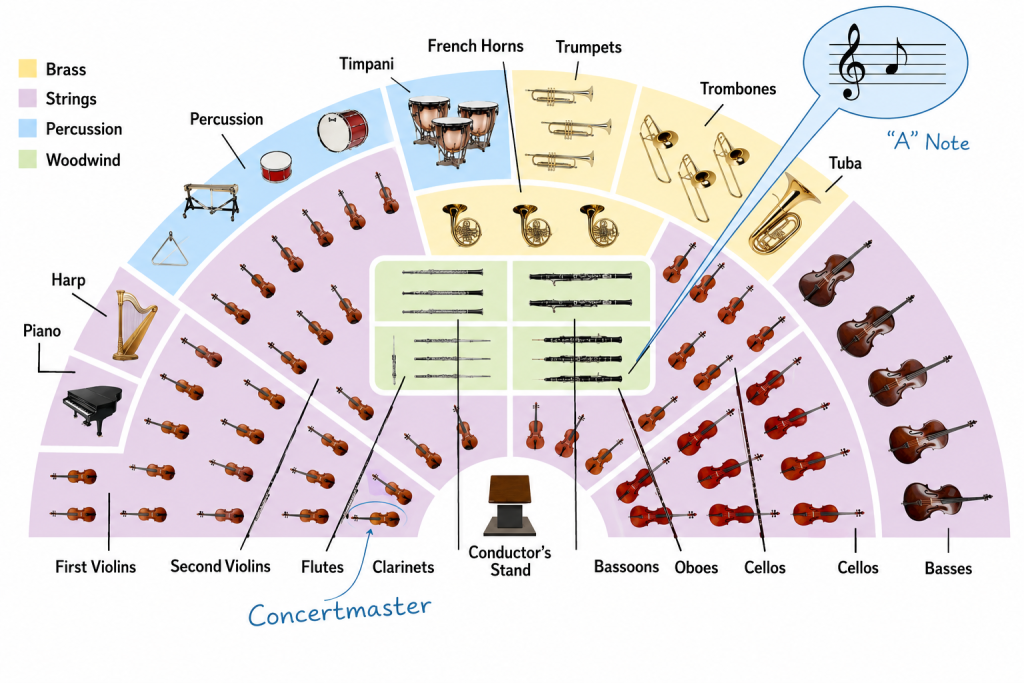
There is a hierarchy within each section, and the first chair player leads the section. The first chair violin player, Greg Vitale, is the concertmaster. The concertmaster is the highest ranking player in the orchestra, and is responsible for leading the tuning at the beginning of rehearsals and concerts, decision making, and leading by example. The concertmaster is considered the “first among equals” and acts as an intermediary between the players and the conductor.
What is the typical seating arrangement?
Why is the orchestra arranged this way? Click here for more information!
Who are the Boston Landmarks Orchestra musicians?
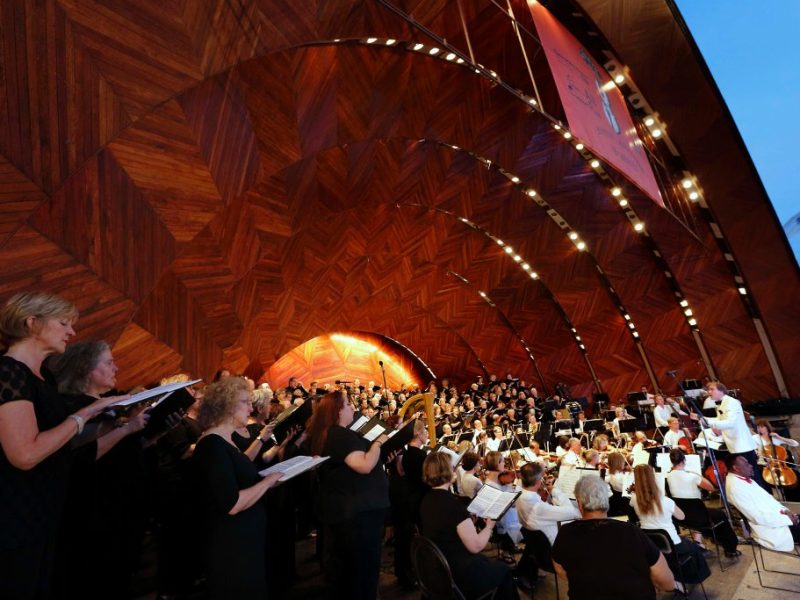
We are so lucky to have incredibly high level, professional musicians from Greater Boston within the Boston Landmarks Orchestra. Some play in local orchestras like the Boston Ballet, Boston Pops Esplanade, Boston Lyric Opera, and other professional orchestras in the region. Many also teach at leading conservatories and schools.
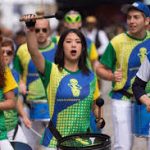
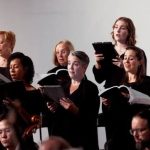
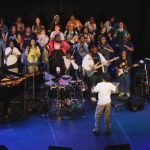
We also partner with other musical ensembles for our concerts each summer. This year, we are partnering with Berklee’s Reverence Gospel Ensemble, Grooversity, and the Cantata Singers!